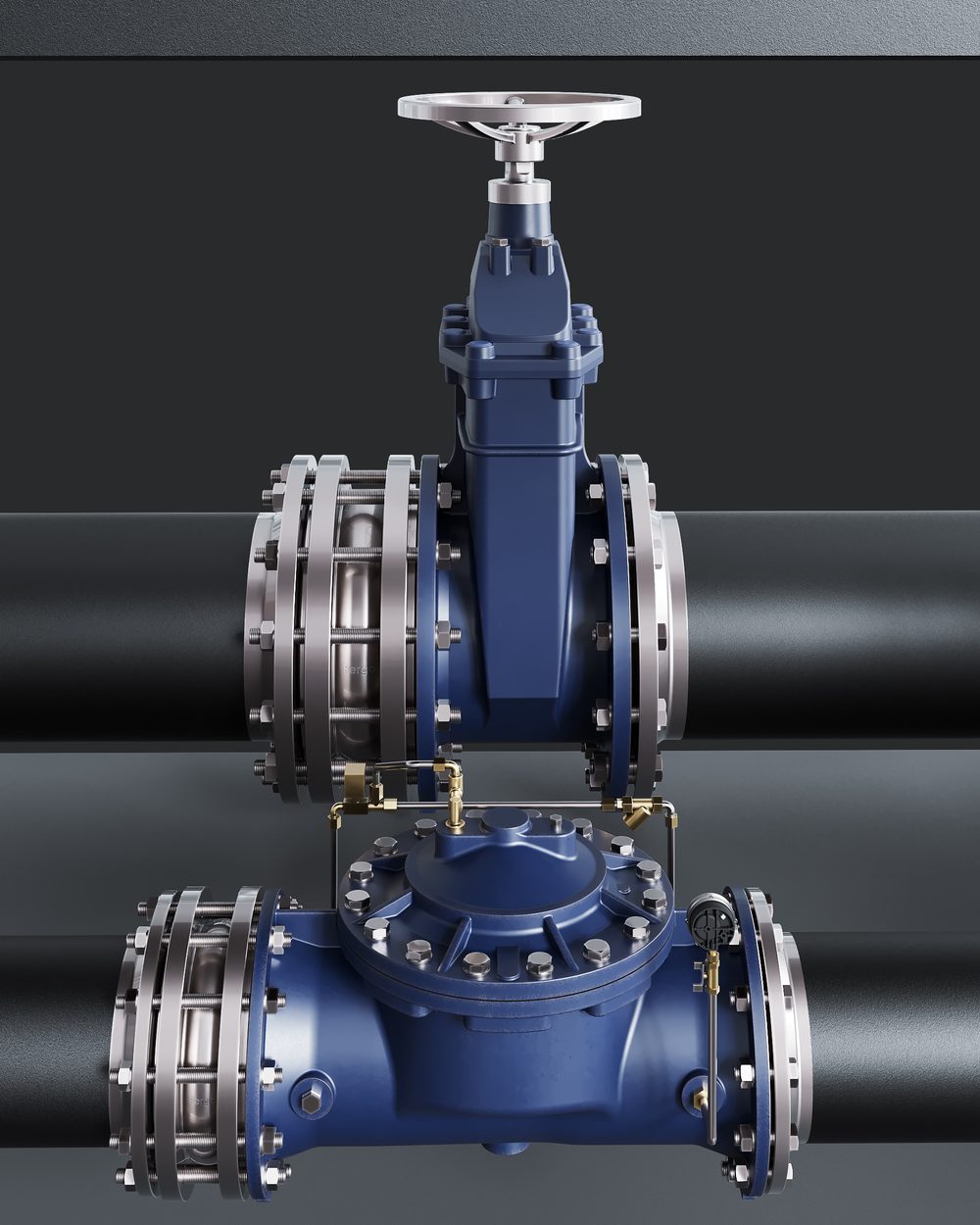
GURDE HydroPaT installation: pump as turbine, generator, flowmeter and valves
Pumps/07 / 09
// PUMP AS TURBINE · PaT //

Pump as Turbine[HydroPaT]

Pump as turbine solutions that convert the pressure drop in a pipeline into electrical energy with a generator instead of dissipating it across a valve; micro and small hydroelectric generation with the existing pumping and piping infrastructure.

up to 500 kWInstalled power
10 – 200 mNet head (H)
30 – 4000 m³/hCapacity
4 – 6 – 8 poleSynchronous speed · 1500 – 1000 – 750 rpm (50 Hz)
What is PaT?

Electrical energy from wasted pressure

Today, with energy costs rising and sustainability targets coming to the fore, converting the “wasted” pressure and flow in systems into energy is more valuable than ever.

Pumps as Turbines (Pump as Turbine – PaT) are hydraulic machines that generate electrical energy, essentially by running centrifugal pumps in reverse. HydroPaT solutions make micro and small hydroelectric generation possible by using the existing pumping and piping infrastructure, without requiring large additional investments.

With the HydroPaT approach, instead of merely dissipating the pressure drop in the pipeline across a valve, compact systems are designed that convert this potential into electrical energy by means of a generator. Depending on the requirement, a single-stage, multistage or double suction design is used.

Compared with conventional turbines:

01More economical
02Spare parts readily available
03Can be assembled from standard components
04Easier to maintain

Payback period

For power outputs up to 150 kW, using a hydraulic turbine for energy recovery is expensive. Where using a turbine is too expensive and complex, a pump as turbine is a simpler and cheaper solution.

Hydraulic turbine10+ years
Pump as turbine (PaT)2 – 3 years

For power outputs up to 150 kW; payback periods are a general assessment and are calculated separately for each project.
Typical installation

Pump as turbine instead of a pressure reducing valve

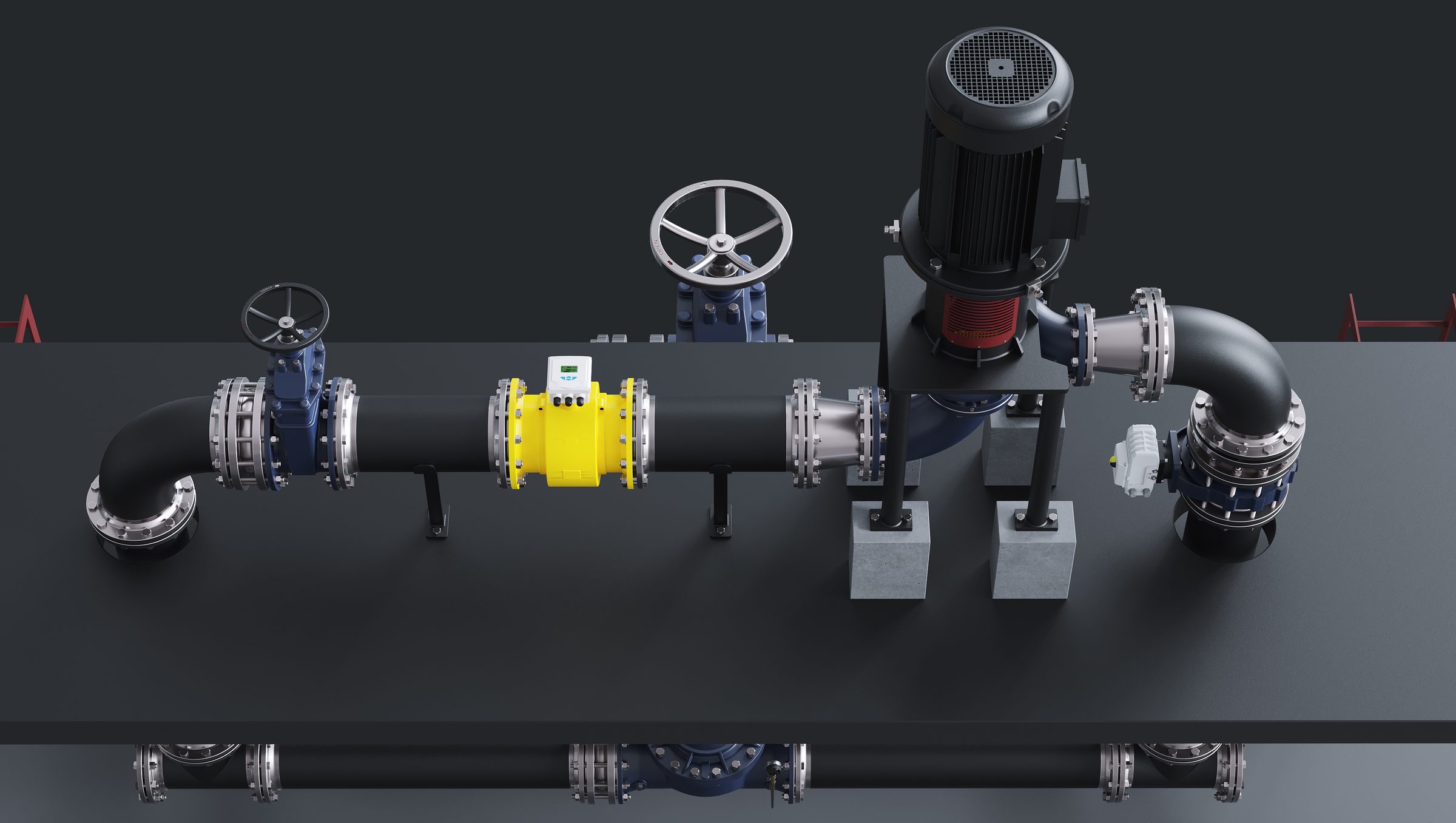
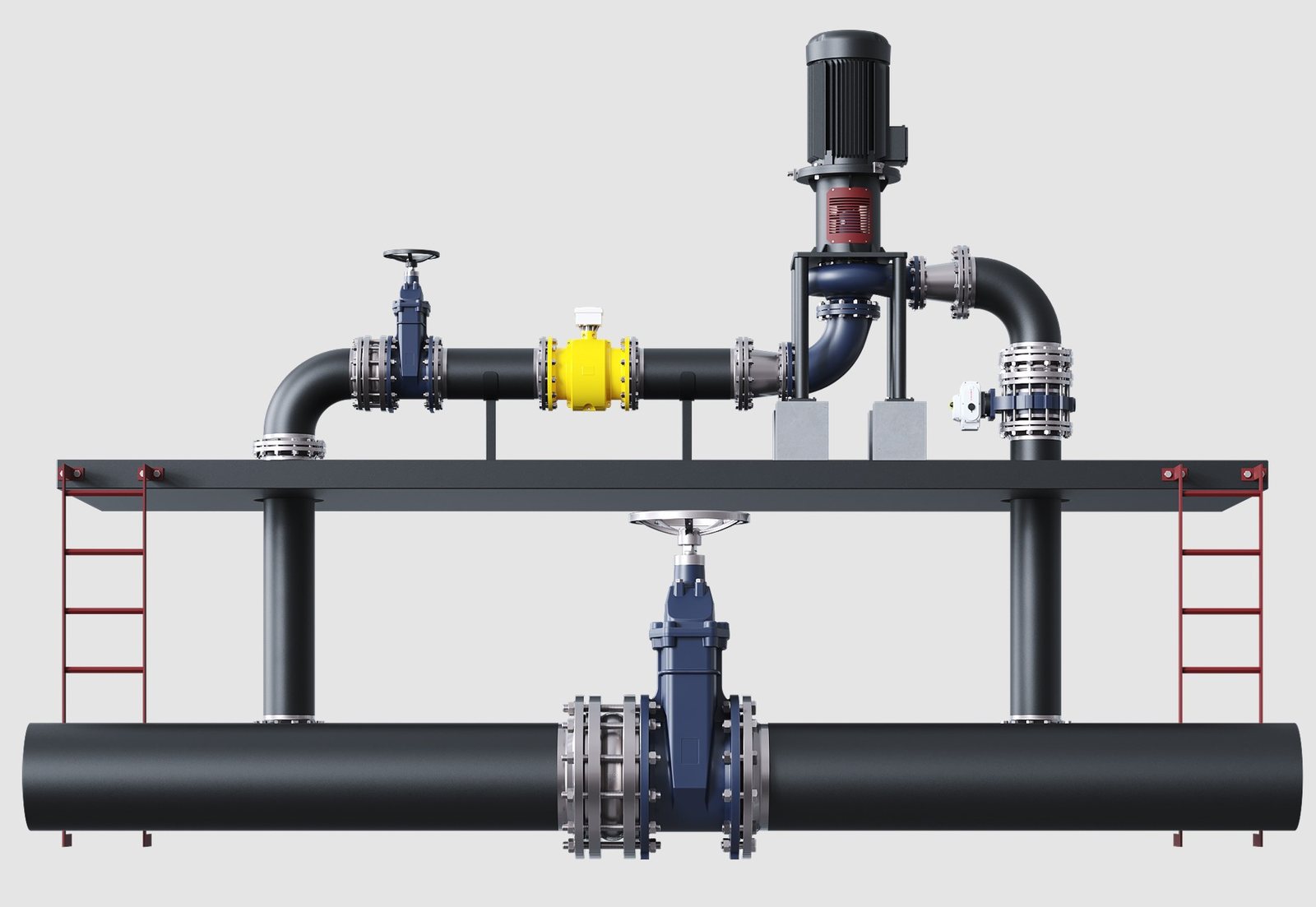
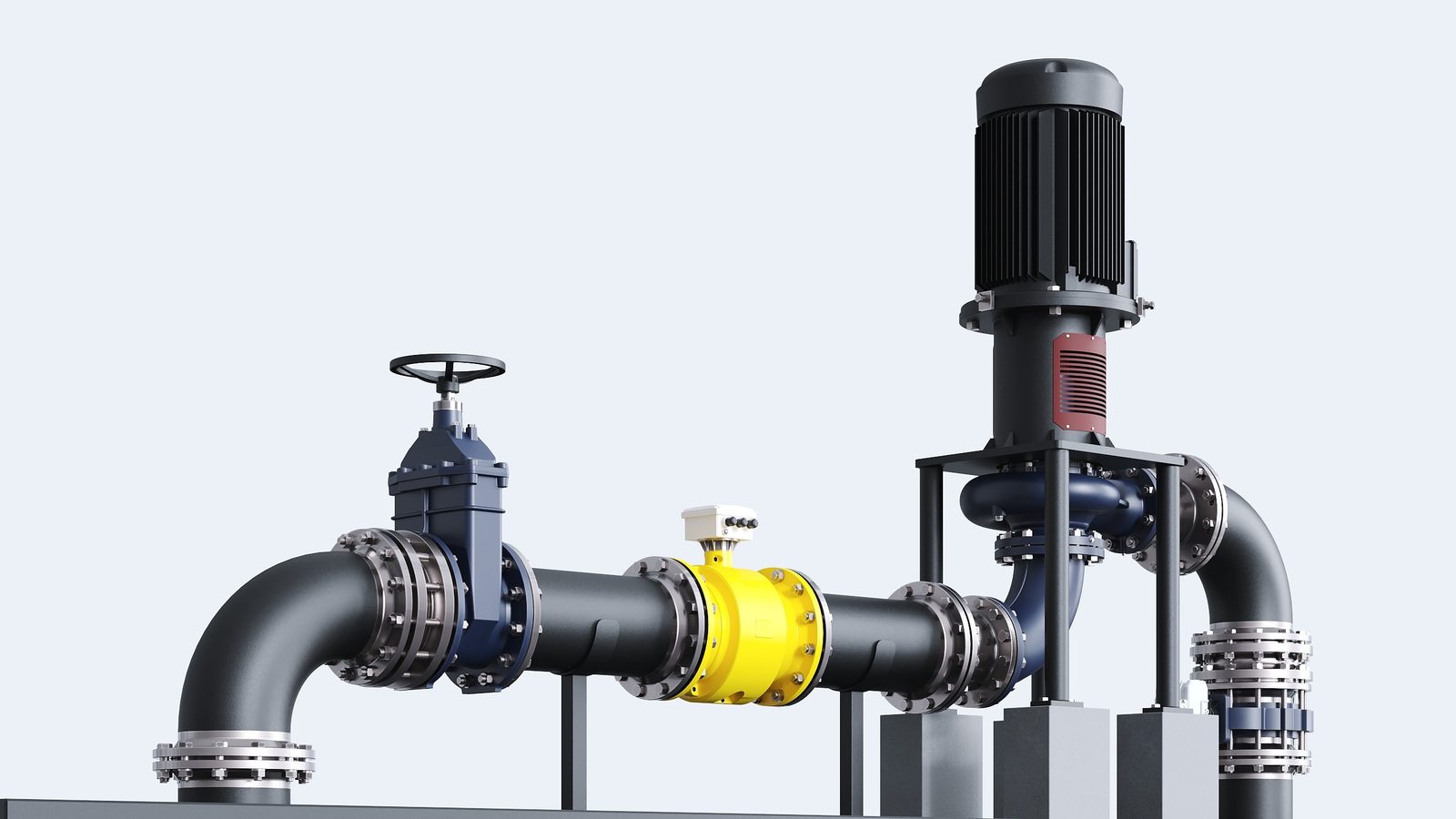
Typical HydroPaT installation for off-grid electricity generation in a drinking water network: the pump as turbine is installed on a branch parallel to the main line.

Typical HydroPaT installation: 1 Mains pipe, 2 Mainline valve, 3 Isolation valve, 4 Flow meter (optional), 5 Pump as turbine (PaT), 6 Generator, 7 Control valve
  1. Mains pipeThe main line where the pressure is reduced; the pump as turbine is connected to a branch parallel to this line.
  2. Main line valveDirects the flow to the pump as turbine branch; feeds the line directly when required.
  3. Isolation valveIsolates the pump as turbine branch from the line for maintenance.
  4. Flow meter (optional)Measures the flow rate through the turbine; for monitoring and control.
  5. Pump as turbine (PaT)A centrifugal pump running in reverse; it converts the pressure drop in the line into shaft power.
  6. GeneratorConverts shaft power into electrical energy.
  7. Control valveAdjusts the flow rate and pressure in the turbine branch.

Drinking water and waste water systems distribute water and collect waste water through trunk mains and distribution networks. Adjusting (regulating) the pressure gives very good results in controlling water losses; for this purpose, tanks (break-pressure chambers) or pressure reducing valves (PRV) are used.

While PRVs require additional investment, they also waste the energy they dissipate. Using a pump as turbine where energy has to be dissipated recovers part of this energy; it also plays an important role in reducing water leakage. A pressure regulating valve may optionally be fitted on the main line.

Key features

Key features of HydroPaT solutions

End-to-end solution, from hydraulic analysis to remote monitoring.

Pump as Turbine – HydroPaT aims to determine the most suitable solution for the site by evaluating the hydraulic efficiency – initial investment – payback period triangle together in every project.

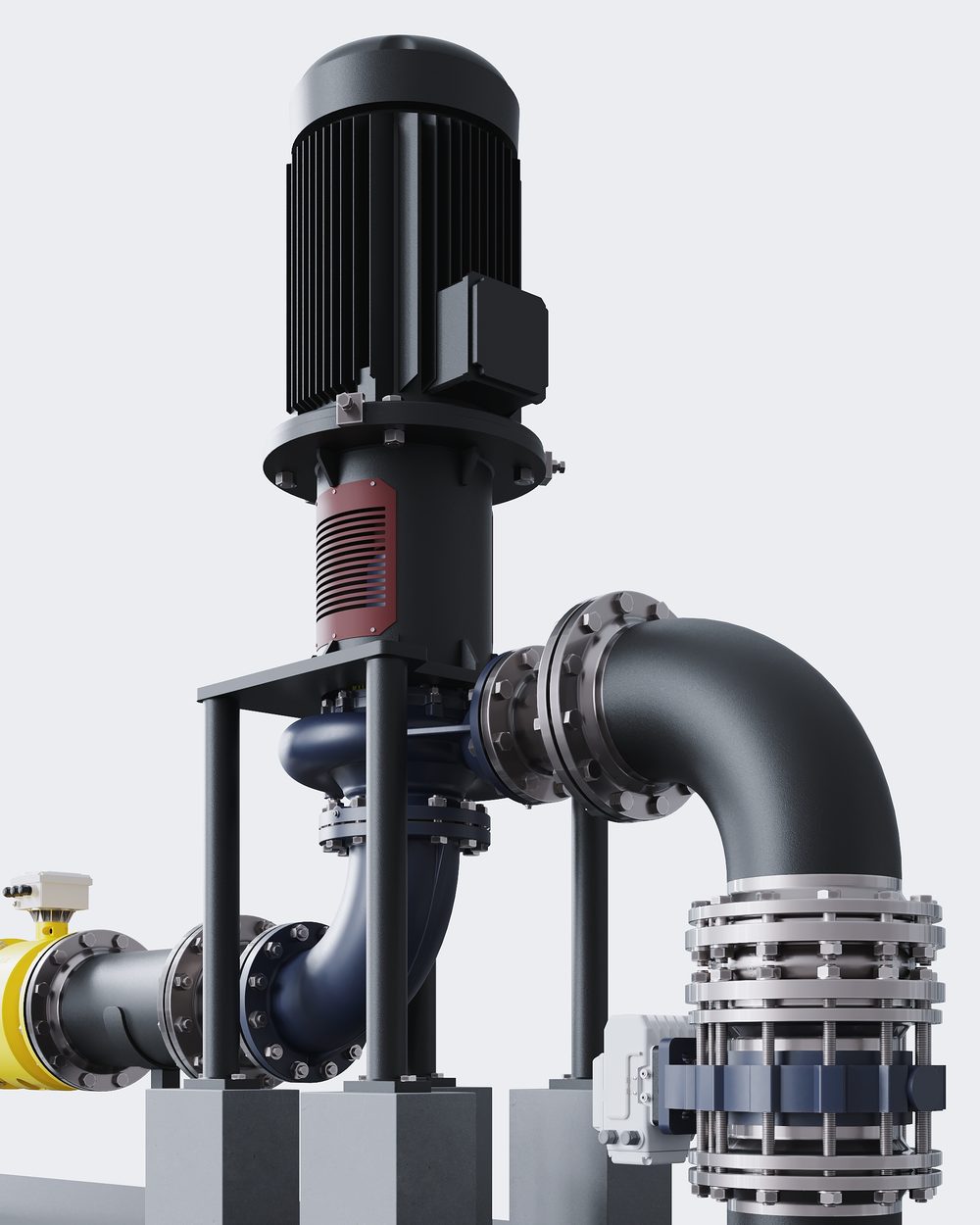
Close-up view of pump as turbine and generator
Pump as turbine, flow meter and isolation valve
Main line valve and pressure regulating valve
Pump types

Three pump types, horizontal and vertical

A norm, double suction or multistage pump, depending on capacity and head; each is used in pump as turbine applications in horizontal or vertical configuration.

01

Norm Pumps

End suction, single-stage
Horizontal
Horizontal, volute casing, single-stage, end suction pump as turbine application with closed impeller.
Vertical
Vertical, volute casing, single-stage, end suction, closed impeller pump as turbine application.
02

Double Suction (Double Entry*) Pumps

With axially split casing
Horizontal
Horizontal, axially split casing, single-stage, double suction pump as turbine application.
Vertical
Vertical, axially split casing, single-stage, double suction pump as turbine application.
03

Multistage Pumps

Ring-section casing, with diffusers
Horizontal
Horizontal, ring-section casing, diffuser-type, multistage pump as turbine application with closed impellers.
Vertical
Vertical, ring-section casing, diffuser type, multistage, closed impeller pump as turbine application.

* “Double entry” is another name for the double suction impeller. In pump-as-turbine operation the flow is reversed: water enters through the discharge flange and leaves through both sides of the impeller.

Operation

Grid-connected, island mode or parallel

Grid-parallel or island mode (off-grid) operation; automatic control, SCADA integration and remote monitoring.

01Grid-connected (on-grid)Electricity generation by direct connection to the electrical grid with a regulated or unregulated pump as turbine.
02Isolated area (off-grid)Electricity generation in island mode in isolated areas the grid does not reach.
03Drinking water networksElectricity generation in transmission and distribution mains; pressure regulation also reduces water leakage.
04Parallel operationWhere the capacity varies widely, more than one pump as turbine is operated in parallel, providing a wider capacity range and better operation.
05Direct driveThe pump as turbine can also be operated as a driver by coupling it directly to any machine.

No adjustable guide vanes. Pumps as turbines have no adjustable guide vanes; in addition to by-passing the excess flow, using several pumps as turbines of larger and smaller sizes is also suitable. Their maintenance and operation are far easier and more economical than those of water turbines.

Project design

Pump as turbine project design

The annual variation of the water flow rate and head should be roughly known; with this statistical data an optimum PaT system can be designed.

Points to consider when using pumps as turbines:

  • The best efficiency point in turbine mode is at a higher capacity than in pump mode; resistance to mechanical stresses must be checked.
  • Rotating parts must not be damaged or work loose in the event of reverse rotation.
  • In the event of “load rejection”, the turbine must not run away (must not reach runaway speed).
  • The necessary precautions must be taken against water hammer and cavitation damage.
  • When the capacity, head or load demand changes, the system must be able to adjust itself to the new condition.
  • For optimum operation, connecting more than one pump as turbine in parallel is generally a good option in on-grid and off-grid operation.

HydroPaT assessment for your project

If your lines have high pressure drops, pressure-reducing valve points or energy potential that you say is “going to waste anyway”, you can convert these into electrical energy with Pump as Turbine – HydroPaT.

For higher capacity, net head and/or electrical power requirements, please contact us.

Let’s talk about your project
Applications

Which lines is it used in?

8applications
R&D and Large Experimental / Test Rigs01
Waste Water Lines and Treatment Plant Outlet Lines02
Pressure Reducing Valve and Regulation Points03
Industrial Process and Cooling Water Circuits04
Water Transmission and Distribution Lines05
Water Supply and Treatment Plants06
Agricultural Irrigation Canals and Piped Irrigation Systems07
Reverse Osmosis and Membrane Processes08

Energy recovery with Pump as Turbine – HydroPaT systems is possible on every line with a suitable elevation difference and pressure drop.

For your company, outsourced R&D

With 25+ years of pump and turbomachinery experience, we take on your company’s R&D and new product projects. You just focus on production and growing your global market.

Let’s Talk About Your Project
// OTHER PUMP FAMILIES //

Main links

HomeAboutPumpsR&DContact

Pumps

End SuctionDouble SuctionMultistageWaste Water & SubmersibleVertical Line ShaftAPI 610Pump as TurbineFire FightingBooster Sets

Contact

Istanbul | Giresun+90 532 546 31 64Message us on WhatsAppContact form
KVKK Privacy NoticeCookie Policy
GURDE - Turbomachinery Design & Development
© 2026 GURDE Pump R&D and Consultancy. All rights reserved.